
Blog
PSA 10 Pokémon Cards: What Makes a Card Gem Mint?

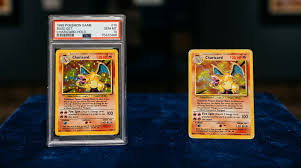
For collectors, few labels carry the same excitement as PSA 10 Pokémon cards. A Gem Mint grade can transform an already desirable Pokémon card into a highly sought-after collectible, combining pristine condition, professional authentication, and an encapsulated presentation.
But what exactly makes a Pokémon card a PSA 10, and why are collectors so interested in graded Pokémon cards? Whether you’re researching vintage Pokémon cards, modern chase cards, Charizard cards, Pikachu cards, or valuable Pokémon TCG collectibles, understanding the grading process is an important part of the hobby.
What Is a PSA 10 Pokémon Card?
A PSA 10, officially described by PSA as Gem Mint 10, represents an exceptionally high condition grade. PSA describes a PSA 10 card as virtually perfect, with characteristics including sharp corners, sharp focus, full original gloss, no staining, and strong centering.
PSA uses a 10-point grading scale after authenticating a card. The process involves authentication, condition assessment, and encapsulation in a tamper-evident case.
That combination makes a PSA 10 Pokémon card particularly appealing to collectors who want both condition and third-party certification.
What Does It Take to Get a PSA 10?
Getting a PSA 10 isn’t simply about having a card that looks good at first glance. Graders examine multiple characteristics, including centering, corners, edges, surface condition, printing quality, and overall eye appeal.
PSA’s published standards indicate that a Gem Mint 10 card should have four sharp corners, sharp focus, original gloss, and no staining. PSA also specifies approximate centering tolerances of no more than 55/45 on the front and 75/25 on the reverse.
Tiny imperfections can therefore make a meaningful difference.
PSA 10 vs. PSA 9 Pokémon Cards
The distinction between a PSA 10 and PSA 9 Pokémon card can be subtle.
PSA describes a PSA 9 as Mint, with the card potentially showing a minor flaw such as a small printing imperfection or slight off-centering. A PSA 10, by comparison, is essentially a virtually perfect example.
This is why collectors often inspect cards carefully before deciding whether professional grading makes sense.
Which Pokémon Cards Can Be PSA 10?
Almost any eligible Pokémon TCG card can potentially receive a high grade if it meets the applicable grading criteria. Collectors commonly seek PSA 10 examples of vintage Pokémon cards, modern Pokémon cards, holographic cards, illustration rares, special illustration rares, full arts, promotional cards, and iconic Pokémon such as Charizard and Pikachu.
However, rarity and condition are separate concepts. A common card in exceptional condition can receive a PSA 10 just as a rare card can. Likewise, a valuable vintage card doesn’t automatically qualify for a high grade.
How to Check a Pokémon Card Before Grading
Before submitting a card, inspect it under good lighting and look closely at:
- Centering: Check the borders on both sides.
- Corners: Look for whitening, bends, or softness.
- Edges: Examine for chips and whitening.
- Surface: Look for scratches, dents, print lines, stains, or other imperfections.
- Print quality: Check for factory defects and alignment issues.
- Authenticity: Make sure the card is genuine and hasn’t been altered.
PSA recommends protecting cards with a penny sleeve and semi-rigid holder when preparing them for submission.
Are PSA 10 Pokémon Cards Valuable?
A PSA 10 grade can make a major difference in the collectible-card market, but there is no universal price for a PSA 10 Pokémon card. Value depends on the specific card, set, rarity, demand, population, condition, and current market activity.
The Pokémon Company itself notes that it does not track secondary-market values for its products.
Therefore, collectors researching PSA 10 Pokémon card prices should look at recent market transactions for the exact card rather than relying on generalized price lists.
Why Collectors Choose PSA-Graded Pokémon Cards
Professional grading provides more than a number. PSA authenticates cards before grading them and encapsulates graded cards in tamper-evident cases. Each graded card receives a certification number that can be used for verification.
For collectors, this can make condition easier to communicate when comparing cards.
Final Thoughts on PSA 10 Pokémon Cards
PSA 10 Pokémon cards represent the highest numerical grade in PSA’s standard card-grading scale and are prized for their exceptional condition and professional authentication.
Whether you’re examining a vintage Charizard, a modern Pokémon chase card, or a treasured card from your personal collection, the key is to look beyond the character and artwork. Centering, corners, edges, surface condition, print quality, authenticity, and eye appeal all matter.
For collectors exploring PSA Pokémon cards, Gem Mint 10 cards, Pokémon card grading, rare Pokémon cards, and graded TCG collectibles, careful research and realistic expectations are essential. A PSA 10 is never guaranteed—but understanding the grading criteria can help you make more informed decisions about which cards are worth researching and submitting.